
Departure Schedule
Morning departures
Fastest trip1 hrs 45 min
Longest trip1 hrs 56 min
Earliest06:25
Latest11:38
Departures4
Afternoon departures
Fastest trip1 hrs 41 min
Longest trip2 hrs 42 min
Earliest12:40
Latest17:46
Departures5
Evening departures
Fastest trip1 hrs 52 min
Longest trip1 hrs 55 min
Earliest19:28
Latest20:46
Departures2
Travelling from Jeonju to Seoul by Train
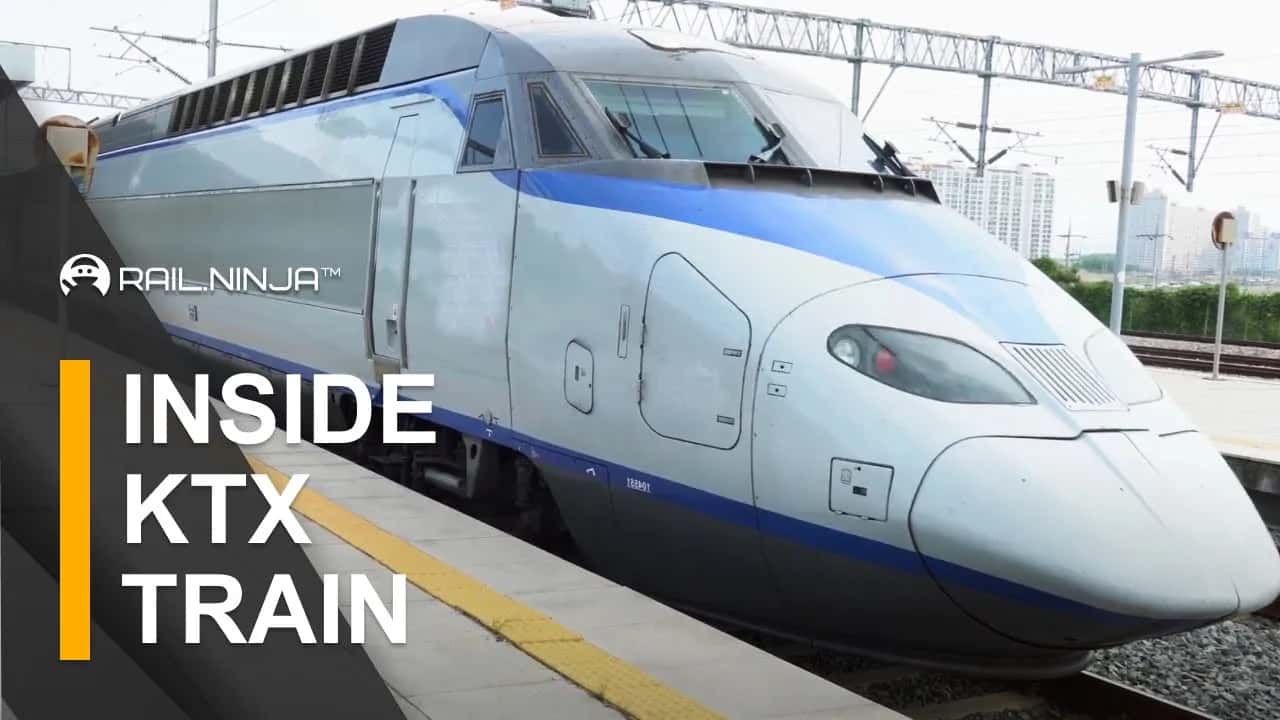
This guide covers everything needed to plan the Jeonju-to-Seoul train journey: KTX times, ticket prices, and how this train service compares to the express bus or driving, plus what to see before you leave. It's built for anyone planning a day trip to Jeonju, the heart of Jeollabuk-do and Korea's food capital, who wants the fastest, most reliable way to make the journey. Train travel is the best option here, and it pays to plan ahead: book a few days ahead in the high season to secure your seat. Korail's KTX leaves Jeonju Station and reaches Yongsan Station or Seoul Station in as little as 1 hour 32 minutes at speeds of up to 305 km/h, with air conditioning and modern amenities on board. Train tickets cost €10–40, with economy class from about $45 and first class from around $63, and there are up to 46 daily departures from 06:20 to about 19:30. Buses run frequently from Jeonju Bus Terminal to Seoul throughout the day, taking about 2 to 3 hours, while driving provides flexibility and door-to-door convenience, though traffic and parking in Seoul can slow things down.
Jeonju to Seoul trains Information
237 km
Seoul
Seoul Station, South KoreaYongsan, South KoreaSuseo Station, South KoreaGyeongbu Express Bus Terminal, South KoreaSeoul Station Square, South Korea
1 h 41 m
Shortest travel time:
$45
Lowest ticket cost:
11
Avg. daily departures:
06:25
Earliest departure:
20:46
Latest departure:
Jeonju is rich in Korean culture, with over 700 hanok houses featuring ondol, a traditional floor heating system, and visitors can rent hanboks, snap photos on the steep walk up to the viewpoints, and visit craft shops, traditional tea houses, and tea ceremonies. Gyeonggijeon Shrine, built in 1410, houses the portrait of King Taejo, and each spring the Jeonju International Film Festival brings indie films and hidden gems to the city. Bibimbap, topped with a fried egg and served with side dishes, is ranked 8th on Lonely Planet's Ultimate Eatlist, and travelers also try spicy rice cakes and Moju, a local drink made from fermented rice and herbs, a kind of rice wine. Laon Hanok Gguljam offers modern amenities in traditional settings, making it a good base for the main attractions.
Popular questions about trains from Jeonju to Seoul
Yes, you are welcome to travel by a comfortable direct train that can take you from Jeonju to Seoul in a matter of just 2 hours.
Yes, you can take a high-speed KTX train, the fastest way to travel between the cities. These trains were designed with traveler's comfort in mind, so you can rest assured that they offer excellent onboard amenities and a wide departure schedule.
Seoul popular routes include the KTX to Jeonju, Busan, and Gwangju, and the SRT from Suseo. For this trip, the Jeonju line is one of the most requested, and it works well for a day trip or an overnight stay.
Buses run frequently from Jeonju Bus Terminal throughout the day and take about 2 to 3 hours. Driving provides flexibility and door-to-door convenience, but traffic and parking in Seoul can add time, so the train is usually the better value.
Bibimbap, topped with a fried egg and served with side dishes, is ranked 8th on Lonely Planet's Ultimate Eatlist. Travelers also try spicy rice cakes and Moju, a local drink made from fermented rice and herbs, and Jeonju's rice wine tradition runs deep.
Visitors can rent hanboks to enhance the cultural experience and snap photos along the lanes. Hanok houses feature ondol, a traditional floor heating system, and the village has craft shops, traditional tea houses, and tea ceremonies, though some streets involve a steep walk.
Jeonju is a slower, tradition-focused city in the country's southwest, while Seoul is fast-paced and modern. Both are easily linked by the KTX, so many travelers combine them on one trip.
Yes. Jeonju - Seoul is a popular day trip, and there is a direct train from Jeonju Station to Seoul with no need to change. The ride takes as little as 1 hour 32 minutes, so you can visit the Jeonju Hanok Village in the morning and be back in the capital by evening. Save money on the fare by purchasing split tickets or booking in advance.
Jeonju Hanok Village is the heart of the city's traditional Korean culture, and Jeonju is designated a UNESCO City of Gastronomy since 2012. The hanok village is where you can try Jeonju bibimbap, rent hanboks, and enjoy the slower pace of life. Nambu Market nearby offers a variety of traditional Korean street food, so you can eat as you explore.
The Jeonju Bus Terminal sits in the city and serves frequent express buses to Seoul. Express bus travel time from Jeonju to Seoul ranges from 2 hours and 35 minutes to 3 hours, so it is cheaper than the train but slower. It's a good backup if the KTX is sold out.
Driving from Jeonju to Seoul takes about 2 hours and 15 minutes to 2 hours and 30 minutes depending on traffic. Taxis from Jeonju to Seoul cost between €120 and €160, so most travelers prefer the train for transport. Both options make sense mainly for groups with heavy luggage.
Jaman Mural Village is known for its colorful street art, and it's one of the hidden gems of Jeonju. It sits on a hillside above the old town, so wear comfortable shoes, and it makes a good short stop after the hanok village.
Jeonju Hyanggyo, the Confucian school, was established in the 15th century and features 400-year-old trees. It's a quiet, shaded place close to the hanok village, and a good contrast to the busier streets.
Gyeonggijeon Shrine, built in 1410, houses the portrait of King Taejo and includes a museum. Pungnammun Gate was constructed in 1734 during the Joseon dynasty and is the best-preserved city gate in the area, so both are worth a stop on a walking route.
Choco Pies from PNB bakery are a local favorite, and many travelers pick up a box before heading back to the station. Combine it with a stop at a traditional tea house for a classic Jeonju treat.
Jeollabuk-do is known for its food, countryside, and traditional culture, and Jeonju is its main city. A slower pace and unesco city status make it a rewarding trip from South Korea's capital, and it's easy to arrive by train.
9.2 / 10 based on 57 reviews
Extensive Network
One platform, 34+ destinations, 700+ routes around the globe.
Convenient Booking
We speak your language and offer over 20 payment methods.
Excellent Rating
Read authentic Rail Ninja reviews and see what our travelers say about us.
Flexible Planning
You can conveniently book train tickets for up to a year in advance!
Real Human Support
Need a hand? Contact our customer support before or during your trip.