
Departure Schedule
Morning departures
Fastest trip57 min
Longest trip2 hrs 20 min
Earliest05:03
Latest11:58
Departures42
Afternoon departures
Fastest trip52 min
Longest trip2 hrs 14 min
Earliest12:02
Latest17:58
Departures42
Evening departures
Fastest trip52 min
Longest trip2 hrs 17 min
Earliest18:03
Latest20:58
Departures19
Night departures
Fastest trip59 min
Longest trip1 hrs 54 min
Earliest21:28
Latest23:28
Departures10
Travelling from Seoul to Daejeon by Train
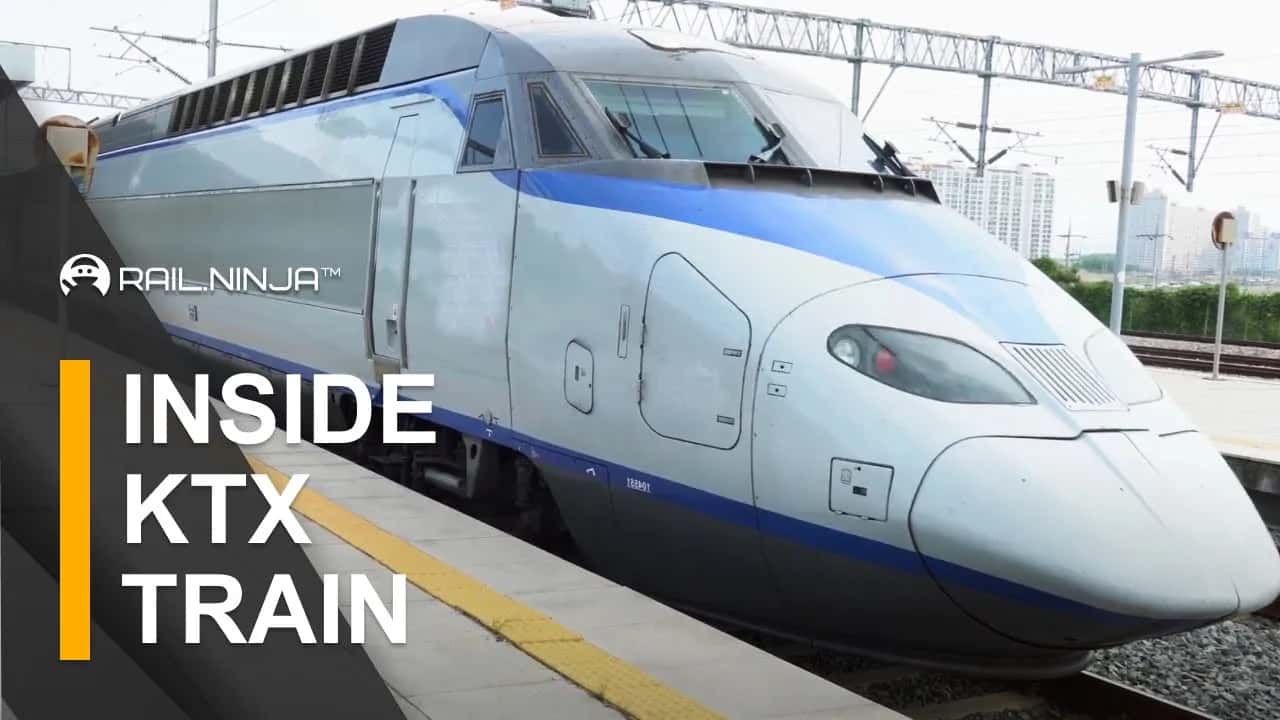
The fastest trip from Seoul to Daejeon is the direct KTX high speed train, which covers a distance of approximately 160 kilometers in roughly 55 minutes to 1 hour 10 minutes. This page is for anyone planning the journey, from business travelers and students to tourists exploring South Korea, and it covers train types, stations, ticket prices and the alternatives so you can match the trip to your travel plans. Daejeon is situated where two major railway lines meet: the Gyeongbu Line, a high speed railway that connects Seoul with Busan and other major cities, and the Honam Line toward Gwangju and Mokpo. Around 110 daily KTX and Korail trains run on the Daejeon Seoul route, and this broad departure schedule includes early morning, afternoon departures, evening departures and night departures, so you can easily catch a train that fits your plans. KTX trains, operated by Korail, leave from Seoul Station in Yongsan-gu, with some services also departing from Yongsan Station or Gwangmyeong, and arrive at Daejeon Station, located in Jeong-dong, Dong-gu. Alternatively, the SRT high speed railway offers a streamlined option, with direct Daejeon services from Suseo train station in Gangnam, which is the better choice if you are staying in southern Seoul. Both bullet trains offer fast travel times, spacious interiors, comfortable seating, free Wi-Fi and excellent onboard amenities, and they give you the shortest travel time on this route. Slower ITX-Saemaeul trains take about 1 hour 45 minutes, and Mugunghwa trains take about 2 hrs, with the longest trip lasting up to 2 hrs 20 min, but they cost much less. Train tickets from Seoul to Daejeon start at about €7, and the average ticket price is around €12–27, depending on train type, class and travel date. You can purchase a KTX ticket on the Korail or SRT website and app, at station ticket desks or with a reservation service like Rail Ninja, which lets you compare departures and buy e-tickets in English. Your ticket shows your car and seat number, so check the platform signs to find where your car stops before you board. Book in advance for weekends and holidays, when high demand fills train capacity quickly, and check Korail news and notices for any schedule changes.
Seoul to Daejeon trains Information
Seoul
Seoul Station, South KoreaYongsan, South KoreaSuseo Station, South KoreaGyeongbu Express Bus Terminal, South KoreaSeoul Station Square, South Korea
160 km
52 m
Shortest travel time:
$21
Lowest ticket cost:
113
Avg. daily departures:
05:03
Earliest departure:
23:28
Latest departure:
On arrival, Daejeon Station has a comfortable atmosphere and easy access to the city's buses and Daejeon Subway Line 1, which runs across the city to Yuseong and the government complex. Daejeon also has Seodaejeon Station for Honam Line KTX trains and Sintanjin Station for some regional services. Daejeon, South Korea, is known as the country's science city, home to KAIST, the Daedeok research hub, the Expo Science Park and the National Science Museum, which highlights technological advancements. The city lies in a central lowland valley surrounded by mountains, with the Geum River and smaller rivers nearby, and its natural environment includes the famous Yuseong hot springs. Most mountains around the city are suitable for easy day hikes, especially in autumn months like October. Daejeon also has a long history: it was part of Mahan during the Proto-Three Kingdoms Period, later became part of Baekje, where it was known as Usul-gun, and was a battleground during the wars for unification of the Three Kingdoms. The Gyeongbu Line railway route was finalized in 1900, transforming Daejeon into a major transport hub. Japanese authorities renamed it Daejeon County in 1914, and it was elevated to a Directly Governed City in 1989. Daejeon has a monsoon-influenced climate between humid subtropical and humid continental, with a winter mean temperature of −1.0 °C, an August monthly mean of 25.6 °C and the heaviest rainfall from July to August. As previously mentioned, the train is the most convenient option, but there are alternatives. A direct bus runs every 10 to 30 minutes from the Seoul Express Bus Terminal or East Seoul Bus Terminal and takes about 2 to 3 hours. Taxis cost around €95 to €120, and the drive by car takes about 2 hours on the Gyeongbu Expressway. If you plan to travel around Korea, the Korail Pass, created for foreign visitors, covers unlimited KTX, ITX and Mugunghwa trips for a set number of days, but it does not cover SRT trains.
Popular questions about trains from Seoul to Daejeon
Yes, both cities are served by the bullet KTX trains, boasting the astotishing top speed of 305 km/h (190 mph).
You can catch a direct train from Seoul to Daejeon at the Seoul Central Station. In about an hour, you will arrive at Daejeon or Seodaejeon station, depending on your travel plans.
The direct KTX high speed train is the fastest option, taking about 55 minutes to 1 hour 10 minutes. SRT trains from Suseo offer similar fast travel times.
The distance between Seoul and Daejeon is approximately 160 kilometers.
Around 110 daily KTX and Korail trains run between the two cities, from early morning to late at night, with frequent afternoon, evening and night departures.
Take the KTX or SRT for the fastest trip, or choose an ITX-Saemaeul or Mugunghwa Daejeon train if you want to save money and have more time.
Daejeon Station is in Jeong-dong, Dong-gu, in the city center. It is the main stop for KTX and SRT trains from Seoul on the Gyeongbu Line.
Seodaejeon Station is Daejeon's second main station, served by KTX trains on the Honam Line toward Gwangju and Mokpo. Check your ticket to make sure you get off at the right station.
Daejeon is characterized by its relaxed atmosphere and local food scene, which makes it a pleasant contrast to busy Seoul.
Daejeon is situated where two major railway lines meet: the Gyeongbu Line between Seoul and Busan, and the Honam Line toward Gwangju and Mokpo.
Train tickets start at about €7, and the average ticket price is around €12–27, depending on train type and class.
Your ticket shows your car and seat number. Check the platform signs to find where your car stops, and board when the train arrives.
Yes. Book in advance for weekends and holidays, when high demand fills train capacity quickly.
No. Direct trains run between Seoul and Daejeon, so no transfers are needed.
Daejeon lies in a central lowland valley surrounded by mountains, with the Geum River and smaller rivers nearby.
The natural environment includes green mountains, rivers and the famous Yuseong hot springs.
Yes. Most mountains around Daejeon are suitable for easy day hikes, especially in autumn.
October is one of the best months to visit, with mild weather and autumn colors in the mountains.
Daejeon was part of Mahan, then Baekje, where it was known as Usul-gun. It was renamed Daejeon County in 1914 and became a Directly Governed City in 1989.
The Gyeongbu Line railway route was finalized in 1900, turning Daejeon into one of Korea's major transport hubs.
Korail created the Korail Pass for foreign visitors. It covers unlimited KTX, ITX and Mugunghwa trips for a set number of days, but not SRT trains.
Yes. The drive by car takes about 2 hours on the Gyeongbu Expressway, a direct bus takes about 2 to 3 hours, and taxis cost around €95 to €120.
Both cities offer contrasting experiences of Korean culture: Seoul is a bustling capital with palaces and museums, while Daejeon is a calmer city of science, mountains and hot springs.
9.2 / 10 based on 53 reviews
Extensive Network
One platform, 34+ destinations, 700+ routes around the globe.
Convenient Booking
We speak your language and offer over 20 payment methods.
Excellent Rating
Read authentic Rail Ninja reviews and see what our travelers say about us.
Flexible Planning
You can conveniently book train tickets for up to a year in advance!
Real Human Support
Need a hand? Contact our customer support before or during your trip.