
Departure Schedule
Morning departures
Fastest trip55 min
Longest trip2 hrs 20 min
Earliest05:28
Latest11:40
Departures36
Afternoon departures
Fastest trip56 min
Longest trip2 hrs 10 min
Earliest12:00
Latest17:57
Departures35
Evening departures
Fastest trip1 hrs 1 min
Longest trip2 hrs 6 min
Earliest18:06
Latest20:46
Departures19
Night departures
Fastest trip57 min
Longest trip2 hrs 5 min
Earliest21:01
Latest23:40
Departures20
Travelling from Daejeon to Seoul by Train
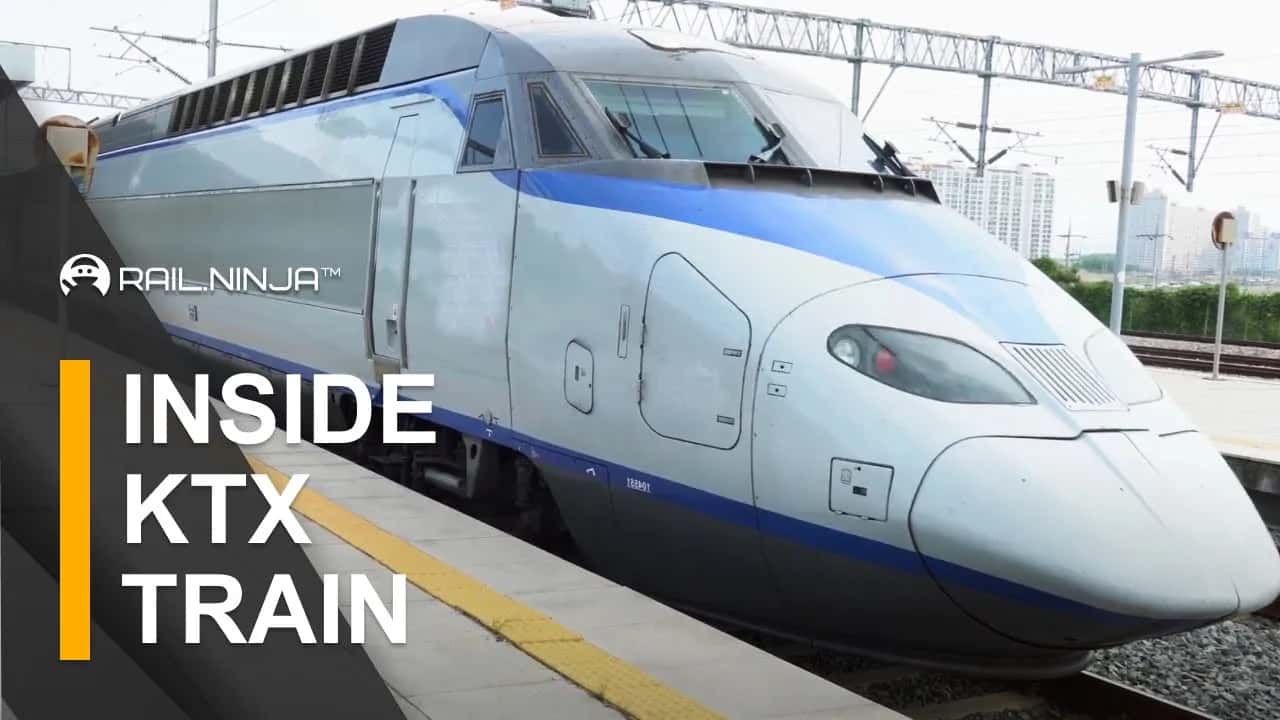
The fastest trip from Daejeon to Seoul is the direct KTX train, which covers a distance of approximately 160 kilometers in roughly 55 minutes to 1 hour 10 minutes. This guide is for anyone planning the journey, from business travelers and students to tourists exploring South Korea, and it covers train types, stations, ticket prices and the alternatives so you can choose the best option. Daejeon sits on the main Gyeongbu Line, a high speed railway that connects Seoul with Busan and other major cities, so it is one of South Korea's best-connected cities, with 110 daily KTX or Korail train departures to the capital. This broad departure schedule includes early morning, afternoon departures, evening departures and night departures, so you can easily find a train that fits your plans. KTX trains leave from Daejeon Station, located in Jeong-dong, Dong-gu, and arrive at Seoul Station in Yongsan-gu, with some services also stopping at Yongsan or Gwangmyeong. The SRT high speed railway offers a streamlined alternative, with direct Daejeon services to Suseo train station in Gangnam, which is the better choice if you are staying in southern Seoul. Both bullet trains offer fast travel times, spacious interiors, free Wi-Fi and excellent onboard amenities, and they give you the shortest travel time on this route. Slower ITX-Saemaeul trains take about 1 hour 45 minutes, and Mugunghwa trains take about 2 hrs, with the longest trip lasting up to 2 hrs 20 min, but they cost much less. Train tickets from Daejeon to Seoul start at €7, and the average ticket price is €12–27, depending on train type, class and travel date. You can book train tickets on the Korail or SRT website and app, at station ticket desks or with a reservation service like Rail Ninja, which lets you compare departures and buy e-tickets in English.
Daejeon to Seoul trains Information
160 km
Seoul
Seoul Station, South KoreaYongsan, South KoreaSuseo Station, South KoreaGyeongbu Express Bus Terminal, South KoreaSeoul Station Square, South Korea
55 m
Shortest travel time:
$21
Lowest ticket cost:
110
Avg. daily departures:
05:28
Earliest departure:
23:40
Latest departure:
The train is the most convenient option, but there are alternatives. A direct bus runs between Daejeon and Seoul every 10 to 30 minutes, departing from terminals like Daejeon Government Complex and arriving at the East Seoul Bus Terminal or Seoul Express Bus Terminal. Buses are cheaper but take about 2 to 3 hours, depending on traffic. Taxis from Daejeon to Seoul cost between €95 and €120, and by car the drive takes about 2 hours on the Gyeongbu Expressway, though Seoul traffic can add much more time. For most travelers, the direct KTX train running between Daejeon Station and Seoul Station is the best choice because it is fast, frequent and arrives right in the center of Seoul, South Korea. If you plan to travel around Korea, the Korail Pass covers unlimited KTX, ITX and Mugunghwa trips for a set number of days, but it does not cover SRT trains. Whatever you choose, on your trip you will find that Korea's rail network makes travel between major cities simple and comfortable.
Popular questions about trains from Daejeon to Seoul
Yes, there is a direct KTX train running between the cities. It's famous for its fast travel times, excellent onboard amenities, and a broad departure schedule.
Yes, all bullet KTS trains offer to take advantage of free Wi-Fi during a Daejeon - Seoul ride.
The direct KTX train is the fastest trip, taking about 55 minutes to 1 hour 10 minutes. SRT trains offer similar fast travel times to Suseo Station.
The distance between Daejeon and Seoul is approximately 160 kilometers.
There are 110 daily KTX or Korail train departures between Daejeon and Seoul.
Yes. Trains run from early morning to late at night, with frequent afternoon departures, evening departures and night departures.
Train tickets start at €7, and the average ticket price for Daejeon to Seoul is €12–27.
Mugunghwa trains take about 2 hrs, and the longest trip can last up to 2 hrs 20 min.
KTX and SRT trains offer spacious interiors, free Wi-Fi, power outlets and comfortable seats, with more space in first class.
Daejeon Station is in Jeong-dong, Dong-gu, in the city center, and it is the main stop for KTX and SRT trains on the high speed railway to Seoul.
Yes. It has wide concourses, clear signage, ticket desks and convenient shops, with a comfortable atmosphere for waiting.
Seoul Station is one of South Korea's busiest stations, featuring sleek architecture. Visitors find wide concourses, restaurants, shops and fast connections to the subway.
Seoul Station is in Yongsan-gu and offers fast connections to the Seoul subway network on Lines 1 and 4, plus seamless links to Incheon Airport via AREX.
Choose Seoul Station for central Seoul and Myeongdong, and Suseo train station for Gangnam and southern Seoul.
Yes. Rail Ninja lets you compare departures, choose seats and buy e-tickets in English for trains between Daejeon and Seoul.
Yes. A direct bus runs every 10 to 30 minutes and takes about 2 to 3 hours, arriving at the East Seoul Bus Terminal or Seoul Express Bus Terminal.
Taxis from Daejeon to Seoul cost between €95 and €120, and the ride takes about 2 hours without heavy traffic.
From Seoul Station or Suseo, you can quickly reach dynamic districts like Myeongdong, Insadong, Hongdae and Gangnam.
Daejeon is known as Korea's science city, home to KAIST and the Daedeok research hub, and it is famous for the Sungsimdang bakery.
Daejeon sits at the center of Korea's rail network, and Seoul connects to all major cities by KTX, SRT, buses and flights.
Travelers on this trip find fast, frequent trains, clear signage at stations and easy subway links, making it one of South Korea's easiest intercity journeys.
9.2 / 10 based on 53 reviews
Extensive Network
One platform, 34+ destinations, 700+ routes around the globe.
Convenient Booking
We speak your language and offer over 20 payment methods.
Excellent Rating
Read authentic Rail Ninja reviews and see what our travelers say about us.
Flexible Planning
You can conveniently book train tickets for up to a year in advance!
Real Human Support
Need a hand? Contact our customer support before or during your trip.