
Departure Schedule
Morning departures
Fastest trip3 hrs 11 min
Longest trip3 hrs 27 min
Earliest06:25
Latest08:36
Departures2
Afternoon departures
Fastest trip3 hrs 27 min
Longest trip3 hrs 39 min
Earliest12:45
Latest16:40
Departures2
Evening departures
Fastest trip3 hrs 23 min
Longest trip3 hrs 23 min
Earliest18:25
Latest18:25
Departures1
Travelling from Montreal to Quebec by Train
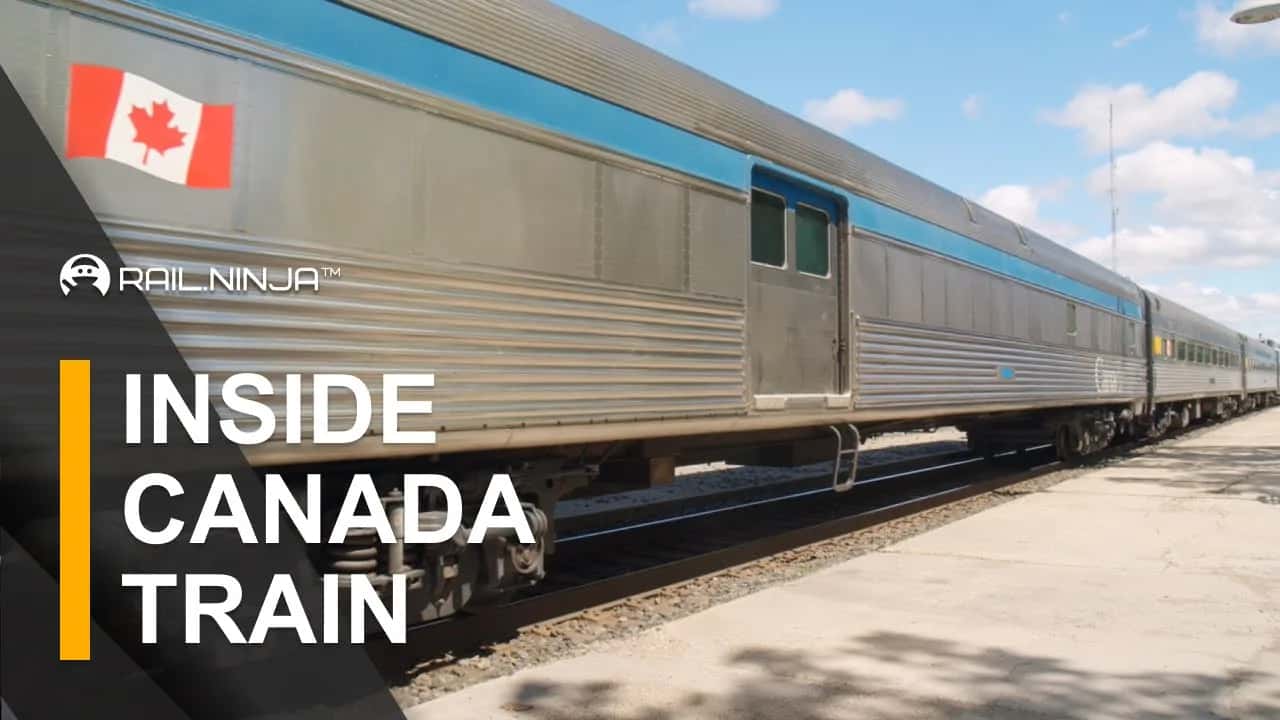
Planning a train journey between Montreal and Quebec City and trying to decide between the train, cheap flights, or driving? VIA Rail operates direct trains covering the roughly 255 km distance in as little as 3 hours 5 minutes, connecting Montreal Central Station in the downtown core to Quebec's Gare du Palais, with tickets typically ranging from $40 to $120 CAD depending on how far in advance you book. Economy class includes free wifi and power sockets at every seat, while Business class adds wider seating and a full meal service, making the roughly 3-hour ride along the Saint Lawrence River a comfortable way to travel through this stretch of Canadian province scenery. Cheap flights take just under an hour in the air but often stretch past 2.5 hours door-to-door once security and transfers are factored in, buses cover the route in around 3 hours at a lower price, and driving takes about 3 hours depending on traffic. Montreal, one of Canada's most vibrant cities, blends French language culture with historic buildings in Old Montréal, the artistic Plateau Mont-Royal, multicultural Mile End, and year-round summer festivals, while Quebec City offers a walled Old Town, the iconic Château Frontenac, and a distinctly European atmosphere rooted in the story of New France — both easily linked by this scenic, comfortable train route along the entire length of the Saint Lawrence Seaway.
Montreal to Quebec trains Information
Montreal
Montreal Central Station, CanadaMontreal Airport Terminal (YUL), CanadaMontreal Gare Dautocars Bus Station, Canada
269 km
Quebec
Quebec City Station, Canada
3 h 11 m
Shortest travel time:
C$86
Lowest ticket cost:
5
Avg. daily departures:
06:25
Earliest departure:
18:25
Latest departure:
Popular questions about trains from Montreal to Quebec
Yes, you can. Taking a fast and modern train is one of the most popular ways to travel between the cities, so it's recommended to book your Montreal - Quebec City rail tickets in advance.
Traveling through the Canadian countryside on the Montreal - Quebec City railway offers a memorable experience with breathtaking views. The route passes by scenic rivers, charming villages, and lush forests, providing a perfect opportunity to relax and admire the natural beauty of Canada during your journey.
The train journey from Montreal to Quebec City typically takes around 3 to 4 hours, depending on the specific train service. It's a quick and comfortable way to travel between these two historic Canadian cities.
Yes, trains on the Montreal to Quebec City route offer several amenities for a pleasant journey. Passengers can enjoy free Wi-Fi, power outlets at their seats, a dining car offering snacks and beverages, and comfortable seating options, including both economy and business classes.
Yes — VIA Rail operates direct trains between Montreal Central Station and Quebec's Gare du Palais, with no need to change trains, taking as little as 3 hours 5 minutes on the fastest daytime services.
There's no direct rail link from Montreal-Trudeau Airport straight to Quebec City — you'll first take a taxi, shuttle, or public transit into the downtown area to reach Montreal Central Station, then board your VIA Rail service northeast toward Quebec City.
Not always — buses typically undercut train fares, running the route in around 3 hours at a lower price, while cheap flights can occasionally match train prices when booked early, though total door-to-door travel time for flying is often similar to or longer than the direct train once airport transfers are included.
Buses are generally the cheapest option, running the route in around 3 hours, while driving takes about 3 hours by car depending on traffic and car traffic through the greater Montreal area at peak times. Both are viable if price matters more than the train's comfort and onboard amenities.
Old Montréal features historic buildings, narrow streets, and the Old Port along the waterfront, with Notre-Dame Basilica as a centerpiece; Plateau Mont-Royal is known for its artistic community and gentrification, and a walk or bike ride up Mount Royal Park — designed by Frederick Law Olmsted — offers green spaces and sweeping views across the city's history, from Ville-Marie's founding in 1642 to the modern skyline of Greater Montreal.
Yes — Montreal is ranked 2nd best dining city in North America and has the most restaurants per capita in North America, with local specialties including smoked meat sandwiches and poutine, the latter costing under $20 at most spots, while Jean-Talon Market and Atwater Market are go-to stops for local produce.
Montreal's Metro has 68 stations on four lines, serving 1,050,800 passengers daily, complemented by an STM bus network with 203 daytime routes, and the Underground City connects via 32 km of tunnels linking metro stations, shopping, and key sites in the downtown core — with the Réseau express métropolitain set for completion by 2027 to expand public transit further into the South Shore and beyond.
Montreal was founded in 1642 as Ville-Marie, with Jacques Cartier having visited nearby Hochelaga on October 2, 1535; by 1653, the population was barely 50 people, but the city grew into a commercial powerhouse after the British conquest in 1760, home to the North West Company and the Bank of Montreal, and later served as the capital of Canada from 1844 to 1849. Today, Montreal is the largest francophone city in North America outside of France and remains Canada's primary historic port of entry for immigrants, making it a culturally diverse, major international metropolis of over 4 million people across 19 boroughs.
Montreal hosts over 100 annual festivals, including the Jazz Festival, and is known for pioneering global achievements in circus arts through Cirque du Soleil; the Montreal Museum of Fine Arts is one of Canada's oldest museums, while Place des Arts and the Quartier des Spectacles anchor the city's downtown arts and culture scene year-round.
Montreal has a humid continental climate with four distinct seasons, with average summer temperatures reaching 26 to 27°C (79 to 81°F) in July and winter temperatures averaging between −10.5 to −9°C (13.1 to 15.8°F) in January; the city receives about 210 cm (83 in) of snowfall annually, and its highest recorded temperature was 37.6°C (99.7°F) on August 1, 1975 — worth keeping in mind whether you're planning outdoor activities, ice skating at Parc Jean-Drapeau on Île Notre-Dame, or a summer stroll along the Lachine Canal.
No — Old Montreal (Old Montréal) is the historic waterfront district with cobblestone streets and historic buildings near the Old Port, while downtown Montreal is the modern city centre a short walk away, home to Montreal Central Station, shopping, and the Quartier des Spectacles.
Yes — public transit, including bus routes and the metro, connects the Quartier des Spectacles to the Old Port in minutes, making it easy to move between de Montréal's downtown arts scene and its historic waterfront in one day.
Olympic Stadium and the surrounding Olympic Park were built for the 1976 Summer Olympics, giving Montreal one of the more unusual historic sites among Canadian cities on the east coast, and remaining a popular stop for visitors touring the city today.
Yes — Montreal offers extensive bike paths connecting downtown Montreal, Old Montréal, and the waterfront along the Rivière des Prairies, and an interactive map is available through the city's tourism sites to help plan a self-guided route between the main historic sites.
Yes — Montreal was a significant center for the fur trade in North America, with its location along the St. Lawrence River making it a key hub for merchants and Indigenous trading networks for centuries.
The name Montreal is derived from Mount Royal, the hill at the center of the city first named by French explorers and still one of its most recognizable landmarks today.
Montreal's architecture contrasts historic structures with modern urban design, with centuries-old stone buildings in Old Montreal standing just blocks from glass towers and contemporary developments downtown.
Yes — Montreal has a significant Indigenous history dating back to before European contact, with the area serving as an important meeting and trading site for First Nations peoples long before the city's founding as Ville-Marie.
9 / 10 based on 55 reviews
Extensive Network
One platform, 34+ destinations, 700+ routes around the globe.
Convenient Booking
We speak your language and offer over 20 payment methods.
Excellent Rating
Read authentic Rail Ninja reviews and see what our travelers say about us.
Flexible Planning
You can conveniently book train tickets for up to a year in advance!
Real Human Support
Need a hand? Contact our customer support before or during your trip.