
Departure Schedule
Morning departures
Fastest trip34 min
Longest trip34 min
Earliest06:25
Latest10:25
Departures5
Afternoon departures
Fastest trip34 min
Longest trip34 min
Earliest12:25
Latest17:23
Departures5
Evening departures
Fastest trip34 min
Longest trip34 min
Earliest18:45
Latest20:25
Departures3
Travelling from Toledo to Madrid by Train
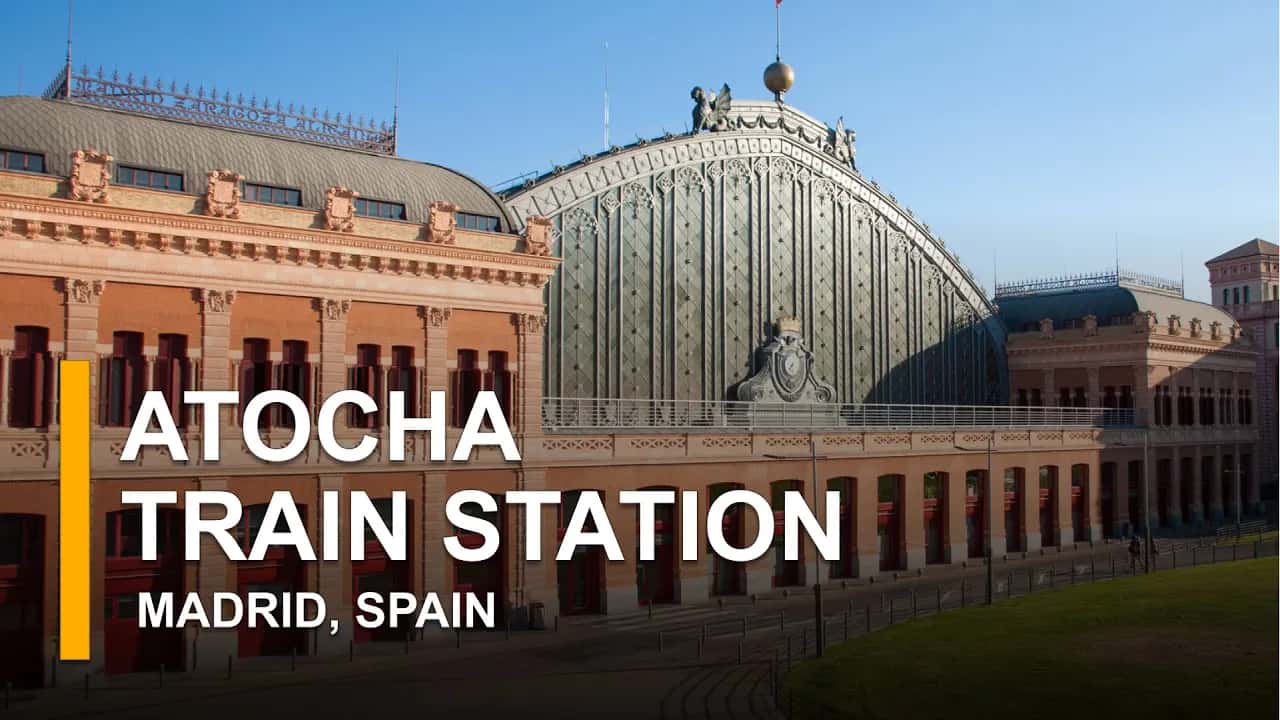
This guide covers everything needed to plan the Toledo-to-Madrid leg of a Spain trip: train times, ticket prices, and how the Avant high-speed service compares to the bus, a taxi, or driving, plus what to do in the capital once you arrive. It's built for day-trippers, families, and anyone finishing a visit to Toledo who wants the fastest and easiest way back to Madrid without losing an evening to transport. Toledo is located in Castilla-La Mancha, about 70 kilometers south of Madrid, and Renfe's Avant high-speed train covers the journey from Toledo train station to Madrid Atocha station in as little as 33 minutes, with around 15 trains daily. The first train leaves Toledo at 6:55 am and the last at 9:40 pm. Tickets start at €9 one-way, a round trip costs €11.10 compared with €13.90 one-way, and booking 3 to 6 months ahead keeps the price low. Avant trains allow three pieces of baggage per passenger and offer air conditioning, Wi-Fi, power outlets, and facilities for reduced mobility travelers. The bus is generally cheaper, starting around $6 to $10, and ALSA operates over 100 bus services per day from Toledo to Madrid, connecting to Metro Lines 6 and 11 at Plaza Elíptica, while parking in central Madrid can be expensive and difficult if you drive
Toledo to Madrid trains Information
73 km
Madrid
Puerta de Atocha, SpainChamartin, SpainMadrid - Atocha Cercanias, SpainPrincipe Pio, SpainMadrid Estacion Sur, SpainMadrid Avenida de America Bus Station, Spain
34 m
Shortest travel time:
$42
Lowest ticket cost:
14
Avg. daily departures:
06:25
Earliest departure:
21:37
Latest departure:
Toledo is a small, medieval city and a UNESCO World Heritage Site, shaped by Roman times and the Catholic Monarchs, and it is often called the City of Three Cultures. Its architecture features Romanesque, Gothic, and Mudéjar styles, from the Monastery of San Juan de los Reyes in Isabelian Gothic style to the Alcázar de Toledo, an imposing fortress that now houses a military museum and the infantry academy's collections and still carries the memory of the Spanish Civil War. The famous painter El Greco is remembered at the Museo del Greco, near his former home, and his most famous painting, The Burial of the Count of Orgaz, hangs in the Church of Santo Tomé. Visitors can climb the 131 steps of the San Ildefonso church tower for city views, cross the Roman bridge and the medieval bridge over the Tagus River, and photograph the skyline from Puente San Martín or the Mirador del Valle, the highest point with a magnificent panoramic view. Toledo marzipan shops often feature elaborately shaped sweets, and a relaxed pace suits a short stay, though staying overnight lets you see the old city after the day-trippers leave.
Popular questions about trains from Toledo to Madrid
Yes. Renfe's Avant high-speed train runs directly from Toledo train station to Madrid Atocha station with no need to change trains, taking as little as 33 minutes. The first train leaves Toledo at 6:55 am and the last at 9:40 pm.
Tickets start at €9 one-way, and a round trip costs €11.10 compared with €13.90 one-way, so booking your return upfront is cheaper. Book 3 to 6 months ahead, travel outside peak hours, and watch for sales throughout the year.
Yes. The bus is generally cheaper than the train, starting around $6 to $10, and ALSA operates over 100 bus services per day from Toledo to Madrid. Buses connect to Madrid Metro Lines 6 and 11 at Plaza Elíptica, though the train is faster and drops you at Atocha.
Usually not. Parking in central Madrid can be expensive and difficult, and driving takes around 50 to 60 minutes via the A-42 highway. A taxi costs between €130 and €160, so the train is the better value for most travelers.
Toledo developed over centuries as a medieval city shaped by Roman times and the Catholic Monarchs, and its historic centre is a UNESCO World Heritage Site. It is known as the City of Three Cultures for its layered Christian, Jewish, and Moorish heritage, and its old city is full of narrow streets and archaeological remains.
Toledo's architecture features Romanesque, Gothic, and Mudéjar styles. The Monastery of San Juan de los Reyes showcases Isabelian Gothic style with intricate carvings, while Santa María la Blanca, a former mosque turned synagogue, and the Sinagoga del Tránsito show Mudéjar craftsmanship.
El Greco is Toledo's most famous painter. The Museo del Greco, also called the El Greco Museum, sits near El Greco's home in the Jewish Quarter, and his most famous painting, The Burial of the Count of Orgaz, hangs in the Church of Santo Tomé, close to the Jesuit church, Iglesia de los Jesuitas.
The Alcázar de Toledo is an imposing fortress at the highest point of the old city. It houses a military museum, it has links to the infantry academy, and it played a key role in the Spanish Civil War, so it is one of the most visited sites in the city.
Either works. A guided tour helps you understand Toledo's history and the layers of the old city, while an interactive map is useful if you prefer to explore at your own pace and plan around the train times back to Madrid.
Yes, if you want a relaxed pace. Staying overnight lets you see the city after the day-trippers leave and gives you time for both the sights and a long dinner, then you can take an early train back to Madrid.
Yes. Toledo - Madrid is one of the best day trips from the capital, and the historic city is known for its layered past. The Mosque of Cristo de la Luz was originally built in 999 as a mosque, the Synagogue of El Tránsito was built in 1357, and the Monastery of San Juan de los Reyes was completed in 1504. Together they show how the city developed through the Middle Ages.
Toledo's Cathedral was completed in 1493 after 266 years, in the late 15th century, and it is the main landmark of the old town. The Iglesia de los Jesuitas stands nearby and offers one of the best viewpoints over the rooftops. El Greco's painting The Burial of the Count of Orgaz hangs in the Church of Santo Tomé, a short walk away.
The Alcázar de Toledo is an imposing fortress on the highest point of the city, and it houses the Army Museum. It is one of the most visited sites in Toledo, so go early if you want to explore it without crowds before the heat of the afternoon.
The Mirador del Valle offers a panoramic view of the whole city of Toledo, with the old town rising above the Tagus River. It is best at sunset, and it makes a good final stop before you head back to Toledo station for the train to Madrid.
A taxi from Toledo station to the old town costs about €5, and it's an easy walk if you don't mind the hills. Toledo is a small city, so most of the sights are within walking distance, and the old town's narrow streets are best explored on foot.
Trains run at least hourly from Madrid to Toledo, and round-trip train tickets cost approximately €30 on some listings (the fare can be much lower if you book ahead). Bus travel time from Toledo to Madrid is about 50 minutes to 1 hour 15 minutes, so both are practical for a day trip.
Toledo's marzipan is considered the finest in Spain, and marzipan in Toledo has been made since the Middle Ages. Partridge dishes are a local specialty, and partridge is often slow-cooked with garlic and vinegar. Both are worth trying when you visit Toledo.
Toledo is the historic capital of Castilla-La Mancha, a region in central Spain. The city sits north east of the wider La Mancha plain and about 70 kilometers south of Madrid, which is why it works so well as a short trip from the capital.
Yes. Puerta del Sol is one of Madrid's major social hubs and a good place to start or end the day, since it's close to Atocha station and the main shopping streets. Many travelers combine it with a trip to Toledo.
10 / 10 based on 53 reviews
Extensive Network
One platform, 34+ destinations, 700+ routes around the globe.
Convenient Booking
We speak your language and offer over 20 payment methods.
Excellent Rating
Read authentic Rail Ninja reviews and see what our travelers say about us.
Flexible Planning
You can conveniently book train tickets for up to a year in advance!
Real Human Support
Need a hand? Contact our customer support before or during your trip.